
Elevate Your Private Space: Expert Tips on Interior Appointments


Understanding Your Personal Style
Elevating your private space begins with understanding your personal style. Whether you lean towards minimalism or prefer a more eclectic approach, identifying your preferences is the first step in transforming your interior. Take time to explore different design elements and note what resonates with you.
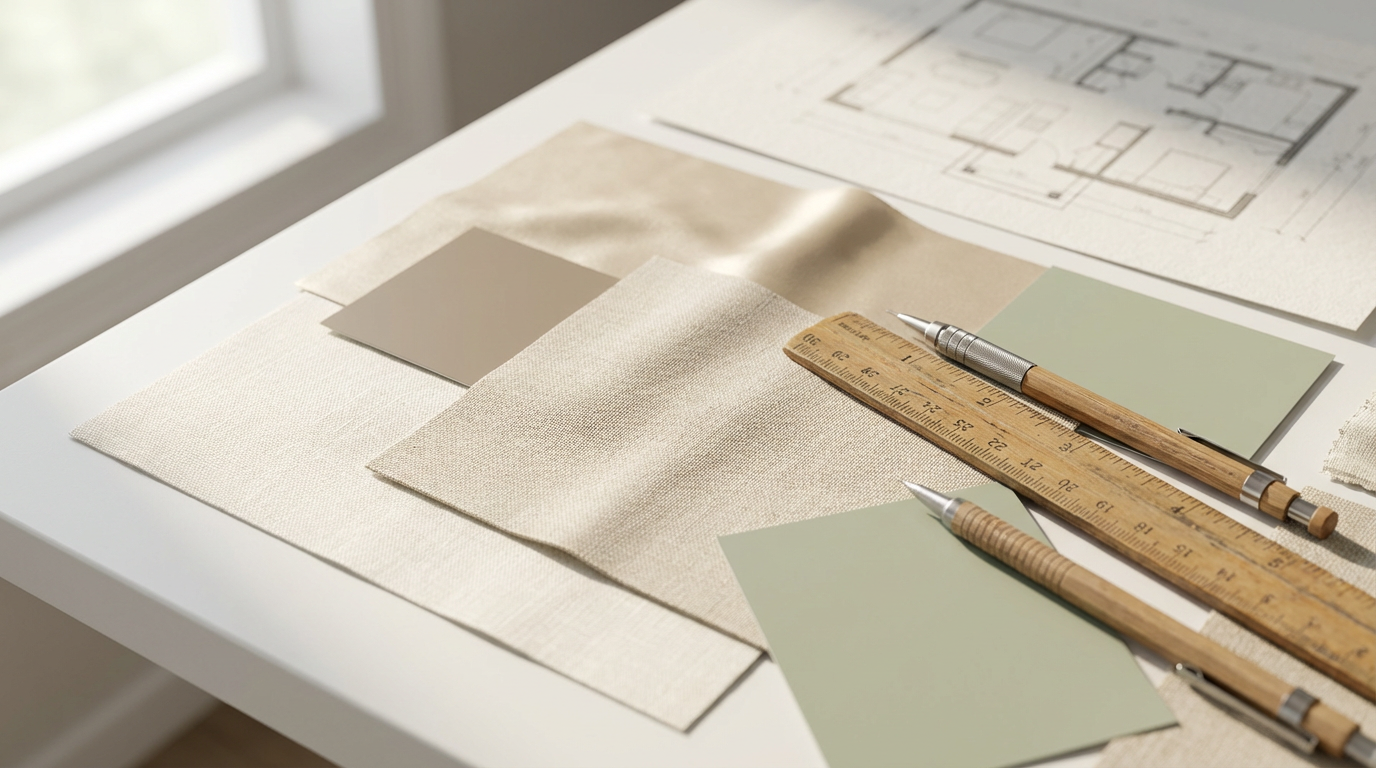
Consider creating a mood board with images, textures, and colors that appeal to you. This visual representation can guide your decisions and help you maintain consistency throughout your space.
Choosing the Right Furniture
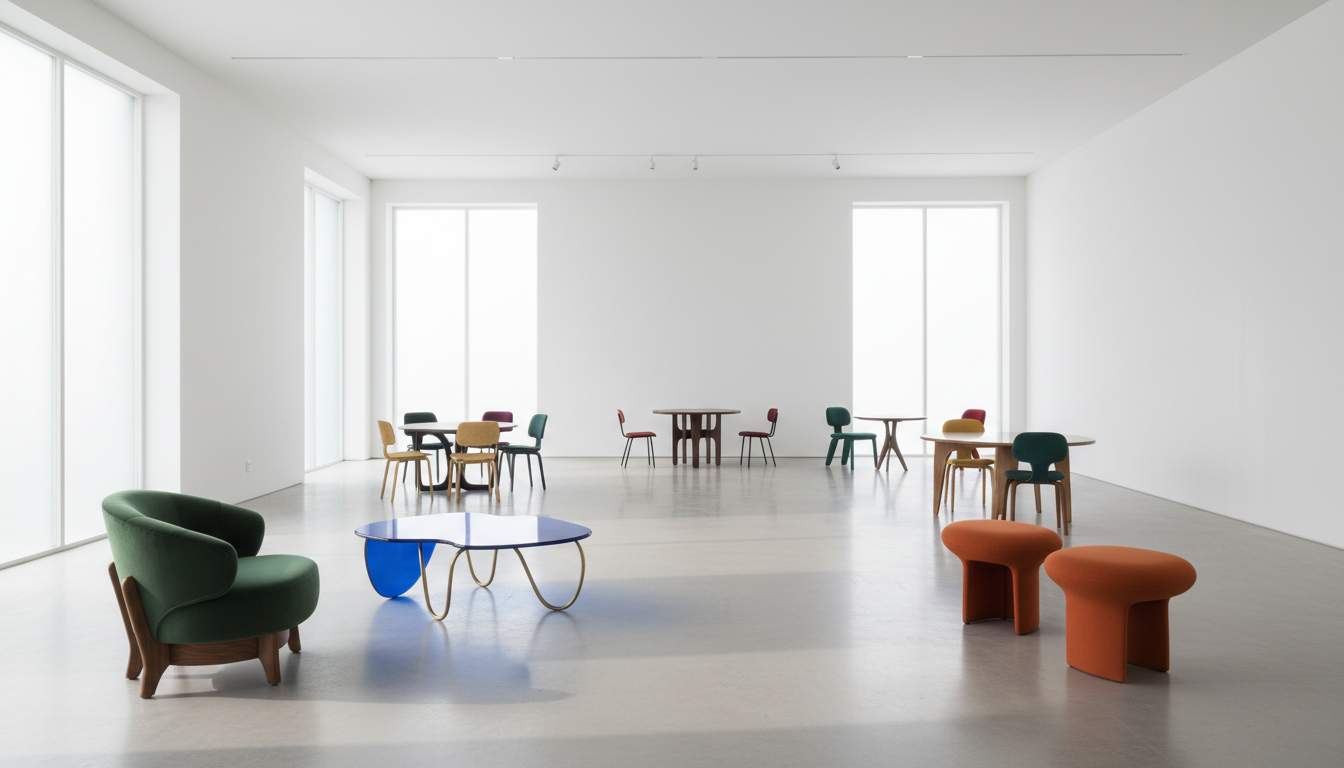
Furniture plays a crucial role in defining the character of your room. When selecting pieces, balance functionality with aesthetics. Opt for furniture that complements your lifestyle while enhancing the visual appeal of your space.
Think about the purpose of each room. In a living area, for example, prioritize comfort and durability. In a study, focus on pieces that promote productivity and organization.
Incorporating Color and Texture
The right color palette can transform a room. Consider using a mix of colors that reflect your personality and create the mood you desire. Soft hues can evoke calmness, while bold tones add energy and excitement.
Incorporate texture through textiles, such as cushions, rugs, and curtains. These elements add depth and interest, making your space feel more inviting and layered.
Lighting Techniques
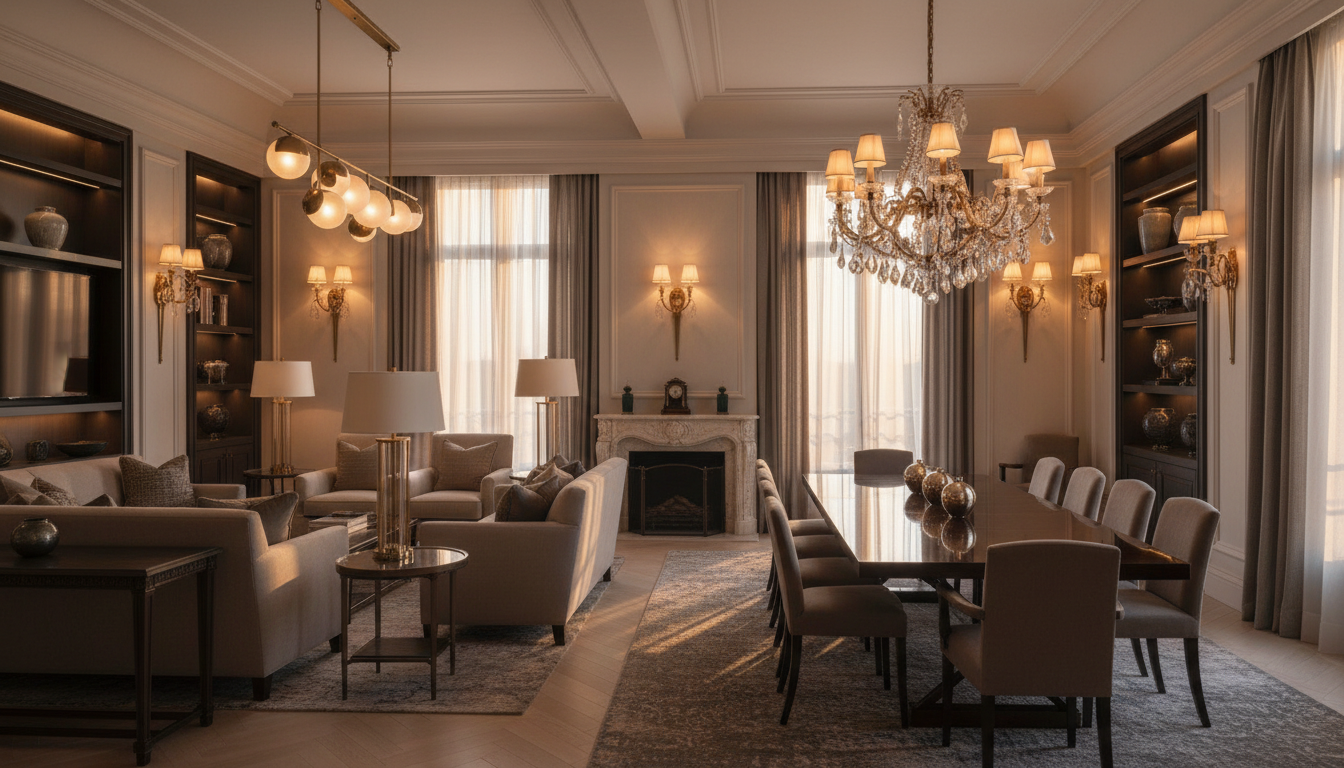
Lighting is a powerful tool in interior design. It not only affects the functionality of a space but also its overall ambiance. Use a combination of ambient, task, and accent lighting to achieve a balanced effect.
Consider dimmable lights to adjust the mood according to the time of day or activity. Statement lighting fixtures can also serve as focal points, adding character to your rooms.
Accessorizing with Purpose
Accessories are the finishing touches that personalize your space. Choose items that hold meaning or bring joy. This could include artwork, plants, or unique decor pieces that reflect your interests.
Avoid clutter by selecting a few key pieces rather than overloading the space. This approach ensures that each item stands out and contributes to the room's overall harmony.
Maximizing Space and Functionality
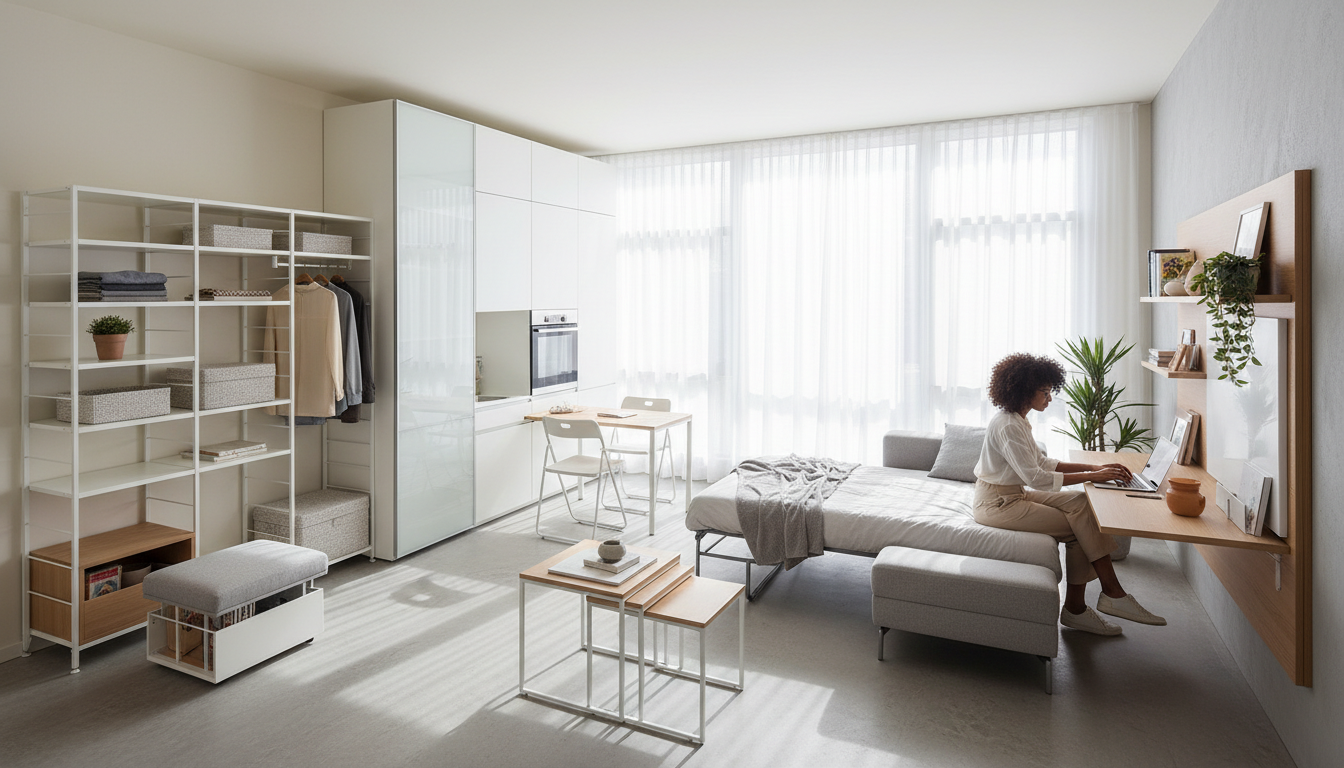
For smaller spaces, strategic planning is essential. Use multifunctional furniture and smart storage solutions to maximize efficiency. Mirrors can also create the illusion of more space, making rooms feel larger and brighter.
Think vertically by utilizing wall space for storage or decorative purposes. Shelving units and wall-mounted hooks can help keep your area organized and open.
Personalizing Your Environment
Your private space should be a reflection of who you are. Infuse it with elements that tell your story, such as family photos, travel souvenirs, or handmade crafts. These personal touches make your home uniquely yours.
Regularly update and refresh your space to keep it aligned with your evolving tastes and lifestyle. This adaptability ensures that your environment remains a source of comfort and inspiration.
Conclusion
Transforming your private space involves a thoughtful blend of style, function, and personality. By understanding your preferences and implementing these expert tips, you can create an environment that is both beautiful and uniquely yours. Take the time to explore, experiment, and enjoy the process of designing your ideal sanctuary.