The Accord
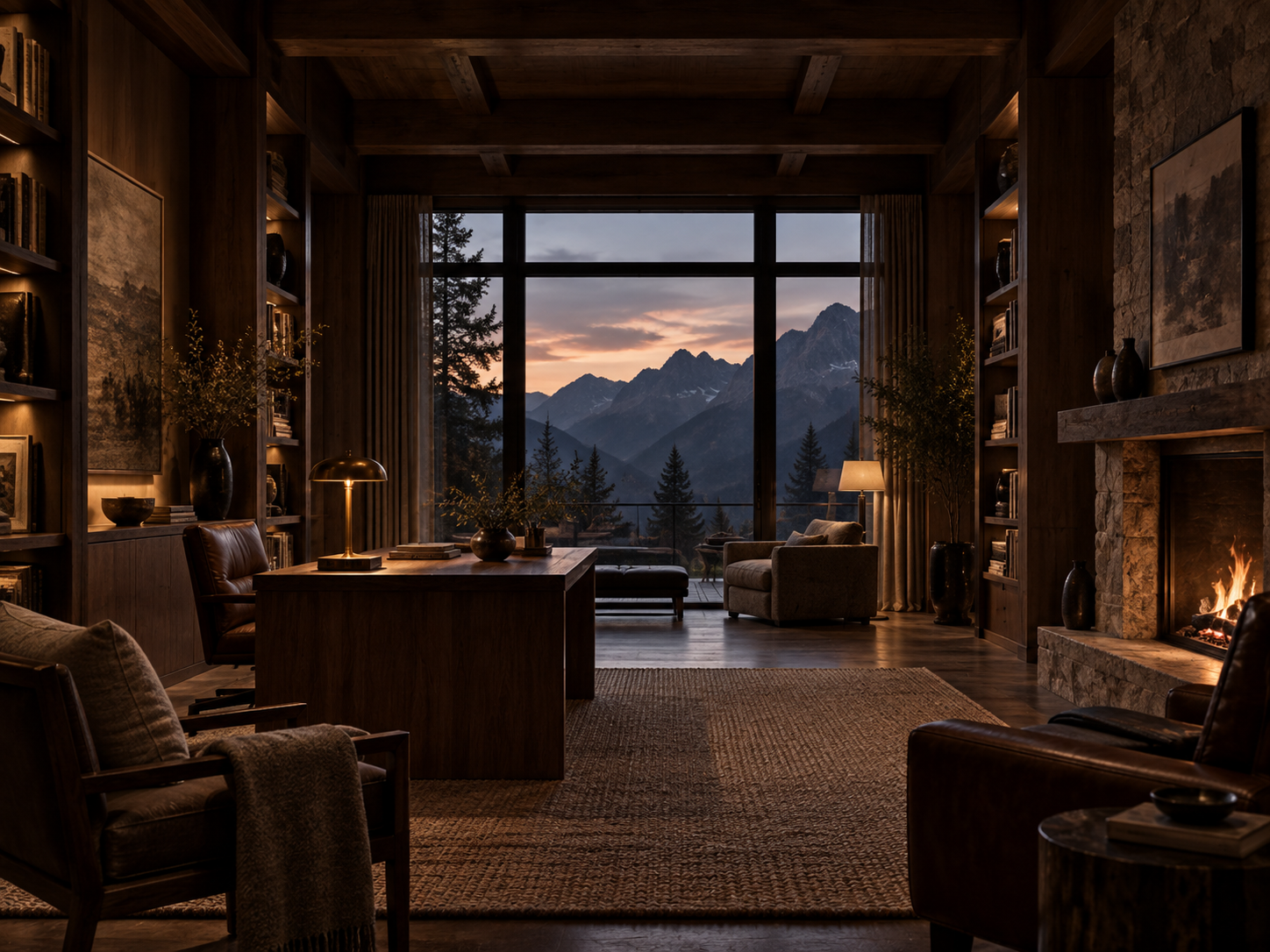
Elevate Your Private Space
Intentional interior design for the private spaces a man inhabits
By an Emissary of the Accord
Published July 31, 2026 · 6 min read
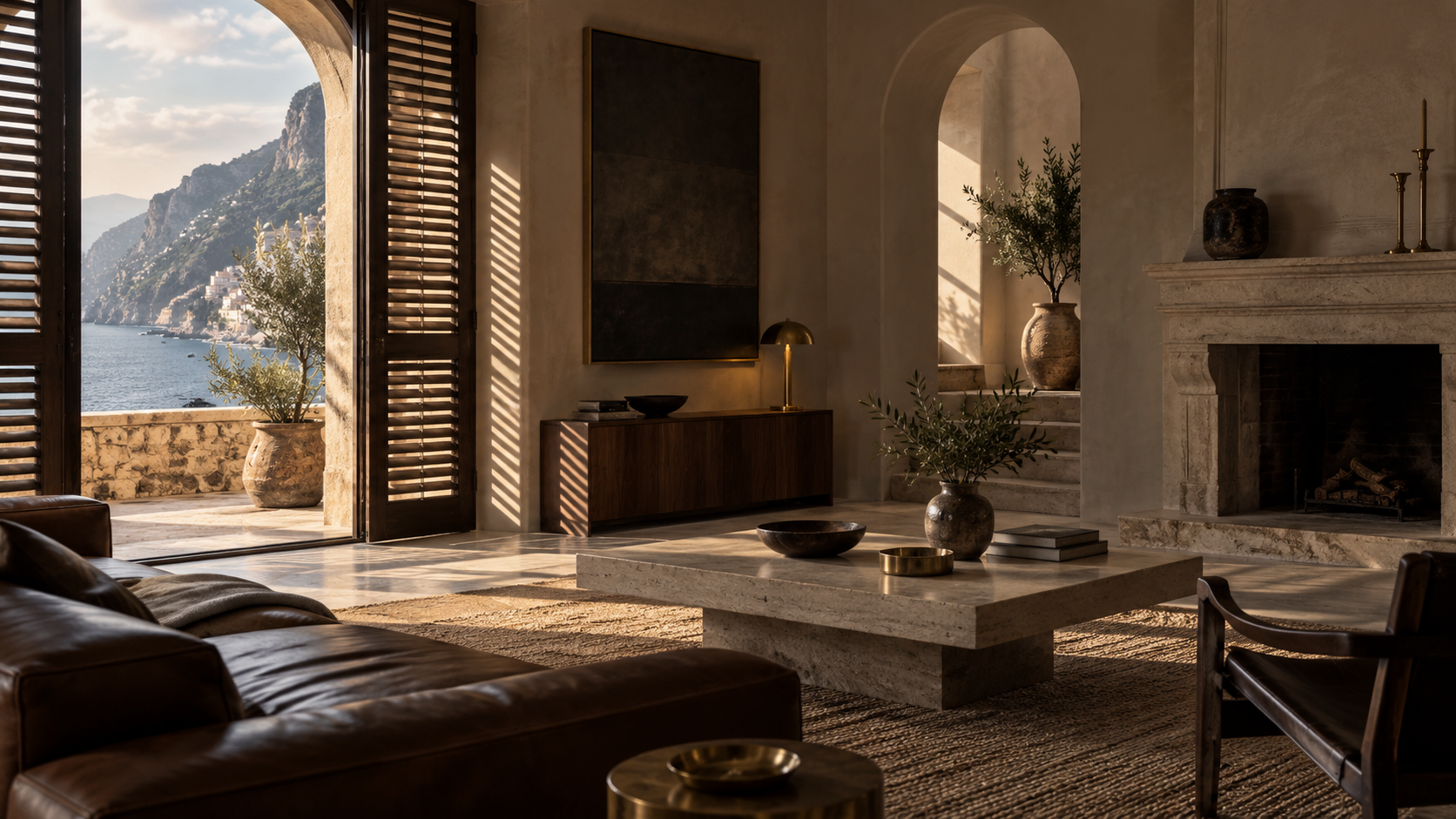
Understanding Your Personal Style
A private space is not decorated — it is governed. Before a single object enters the room, the question is not "what do I like" but "what does this room need to hold." Minimalism and abundance are both valid answers; what matters is that the choice is deliberate, not accumulated by accident.
Build a working reference — a small collection of materials, textures, and images that describe the room's intended atmosphere, not just its color scheme. This is a governing document, not a mood board: it should be able to answer, for any object considered later, "does this belong here."
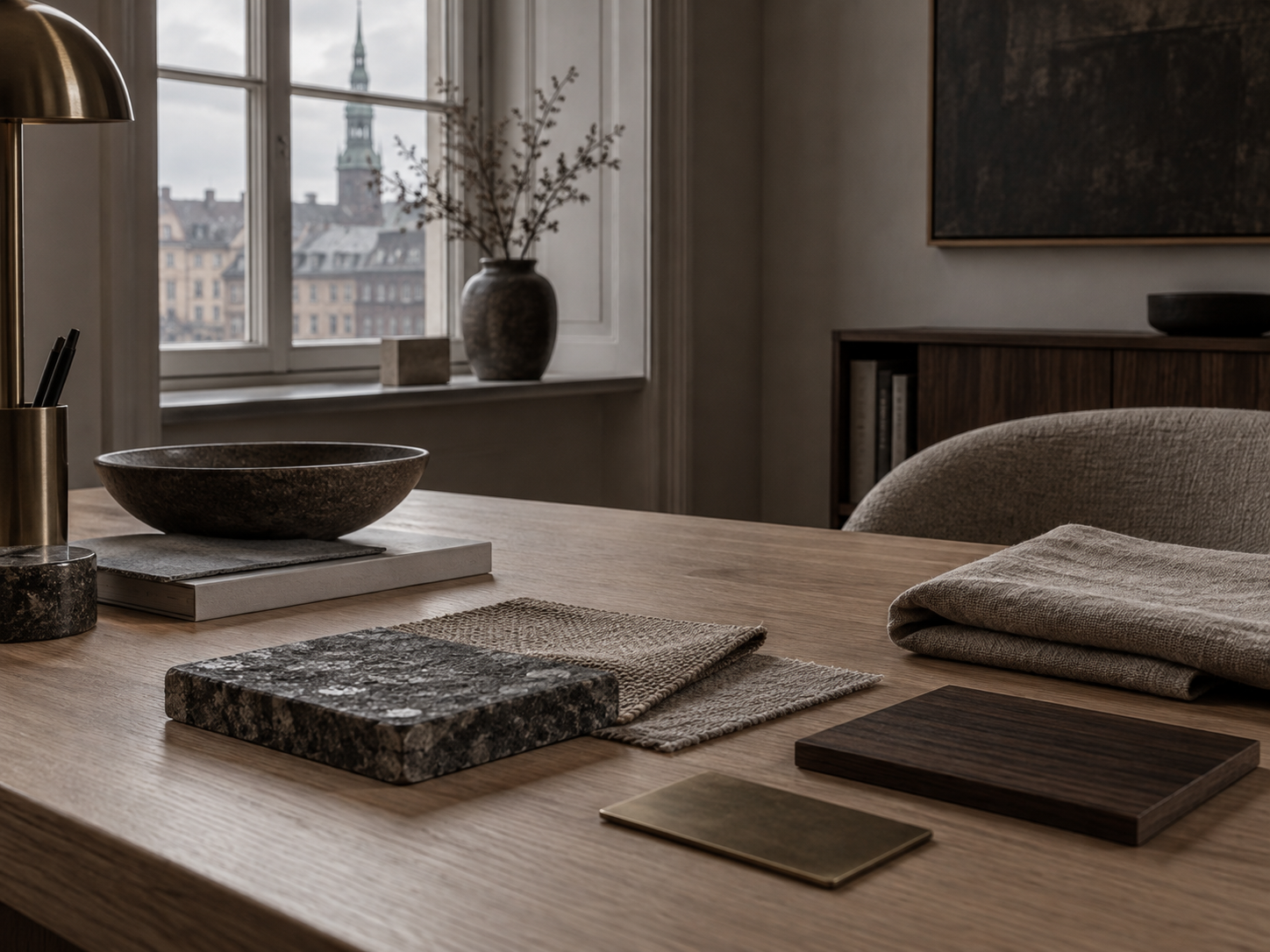
Choosing the Right Furniture
Furniture is spatial authority, not filler. Every piece in a private room makes a claim about how that room is meant to be used and how the person in it is meant to feel — composed, at rest, in command. Choose pieces that hold that claim under daily use, not pieces selected for a showroom photograph.
A room's purpose should decide its furniture before its furniture decides the room. A study asks for structure and quiet authority; a place of rest asks for weight, softness, and restraint.
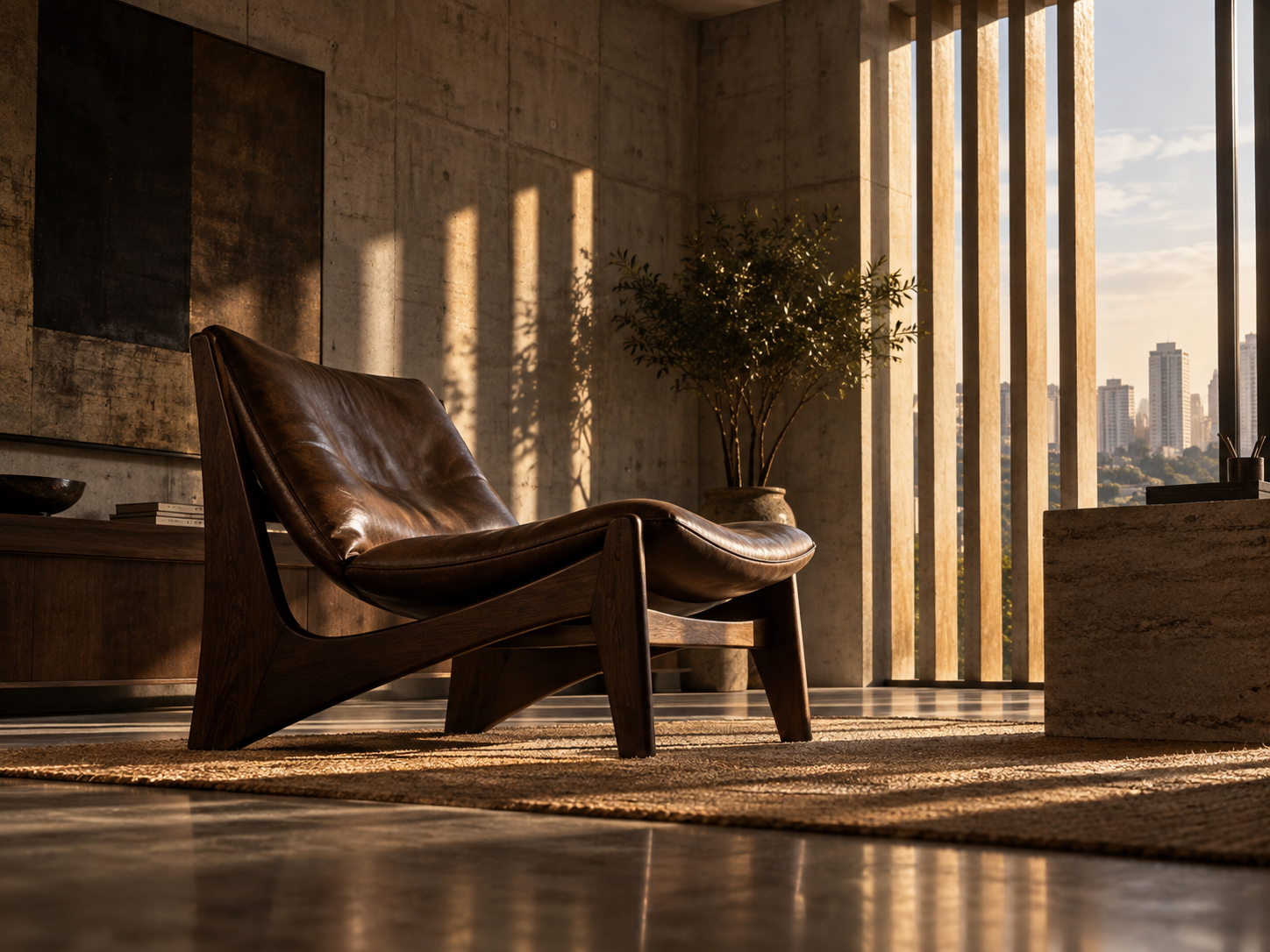
Incorporating Color and Texture
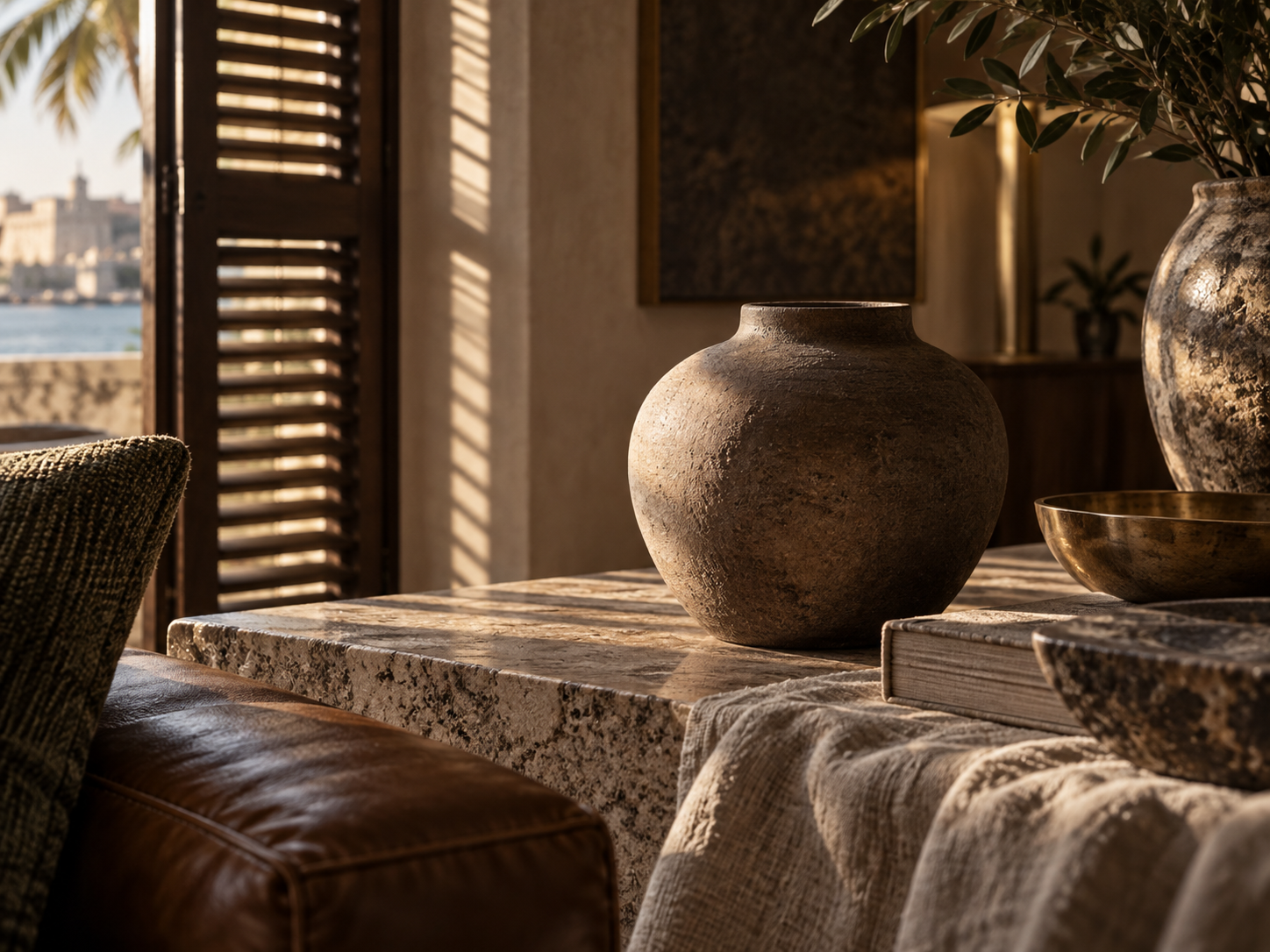
Atmosphere is read through material before it's read through meaning. Leather, linen, stone, wood, and brass in conversation with each other do more to govern how a room feels than any single accent color. Restraint in the palette lets texture carry the room's character.
Layer texture deliberately — a rug, a throw, an upholstered surface — not to fill the room but to give it depth a flat surface can't hold.
Lighting Techniques
Light is the room's most direct instrument of atmosphere, more so than scent or sound. Layer ambient, task, and accent light so the room can shift registers — full presence for hosting, low authority for solitude — without changing a single object in it.
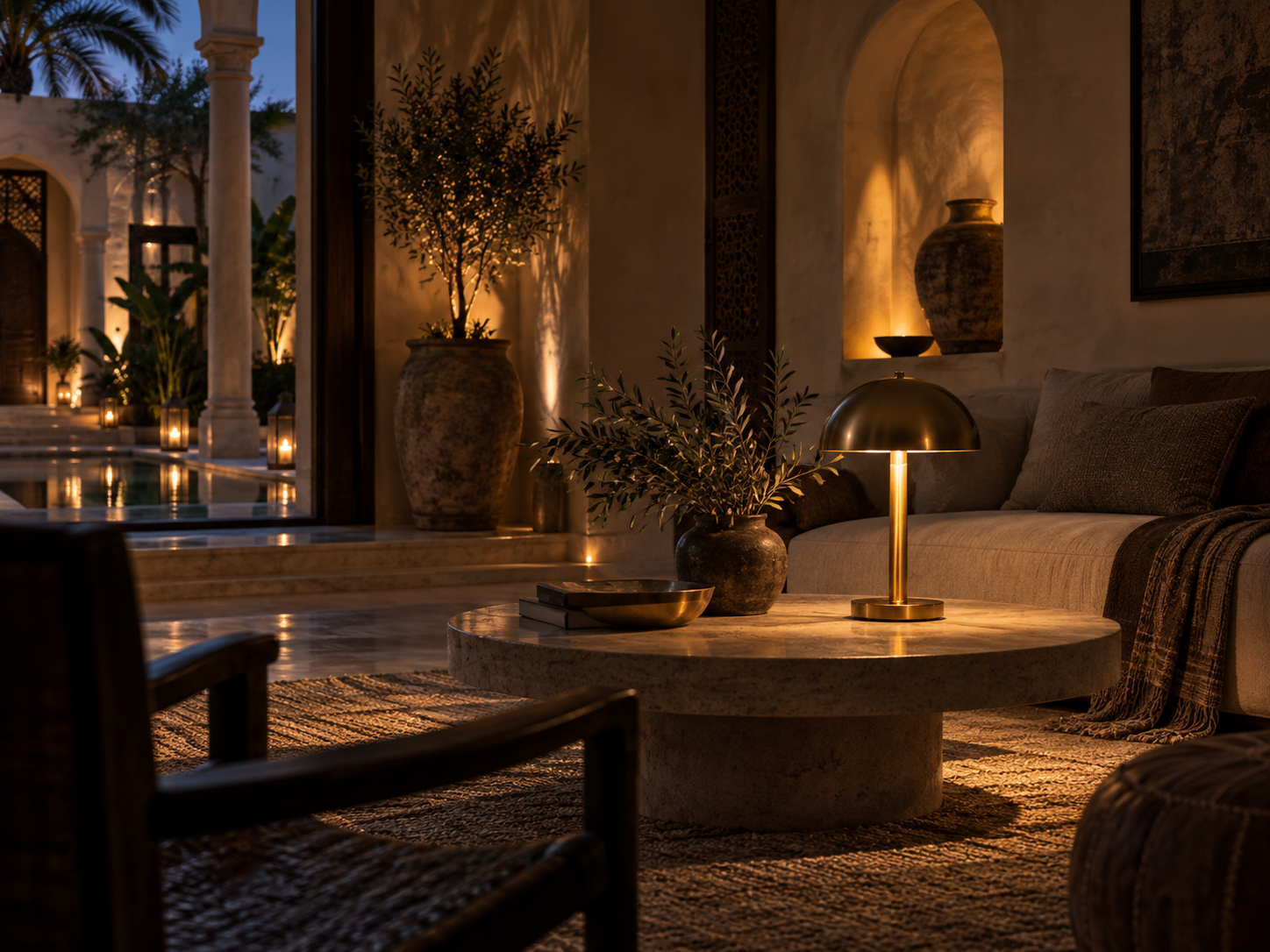
A single well-placed light-bearing object — a Lucern, a considered lamp — can anchor a room's character more effectively than a fixture chosen for brightness alone.
Accessorizing with Purpose
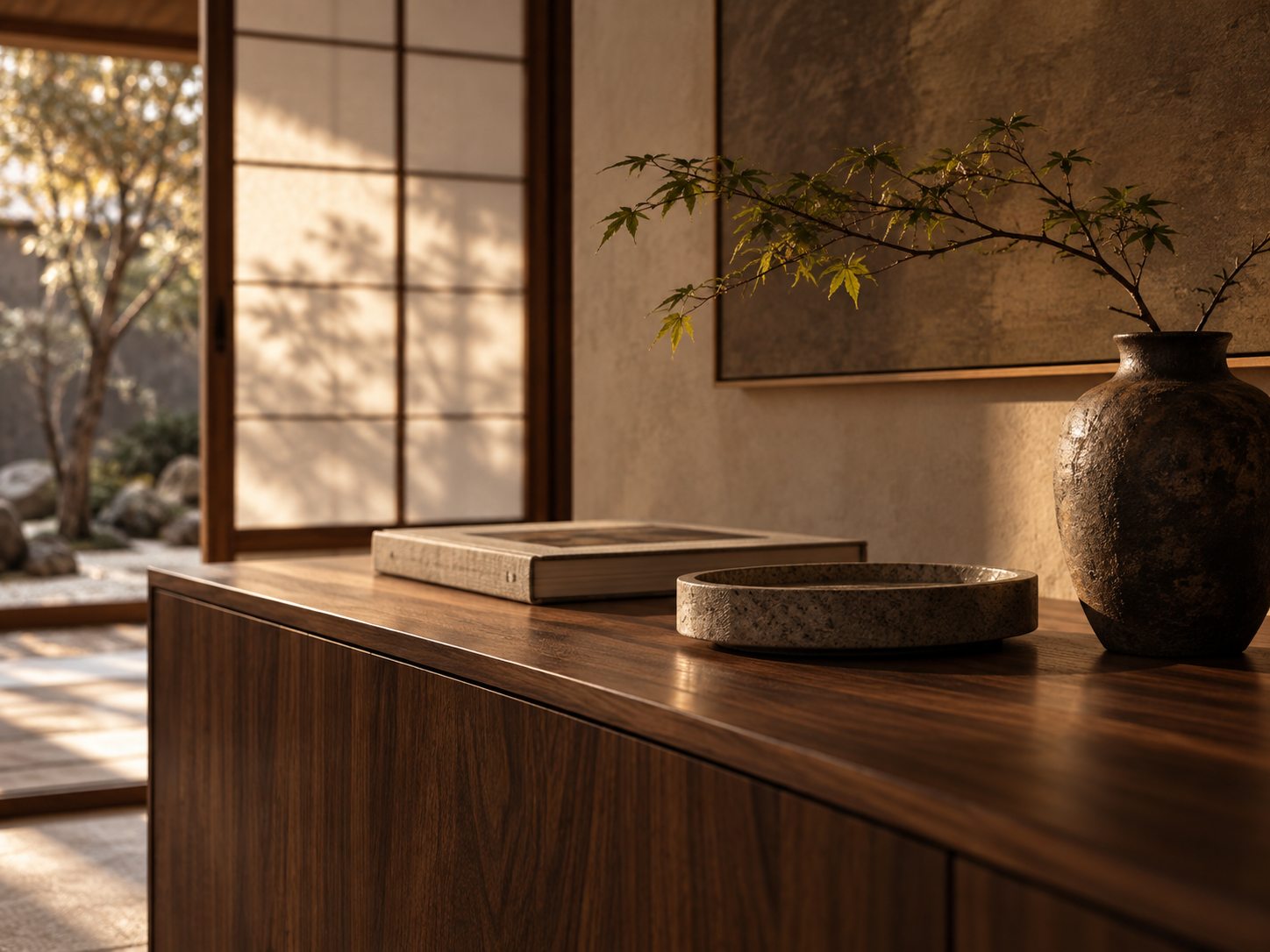
Every object in a private room should be able to justify its presence. Choose few, choose deliberately — a considered object, a Prime Anchor, a single piece that carries meaning does more work than a shelf of decoration that carries none.
Restraint is not absence. It is what lets the objects that remain be actually seen.
Maximizing Space and Functionality
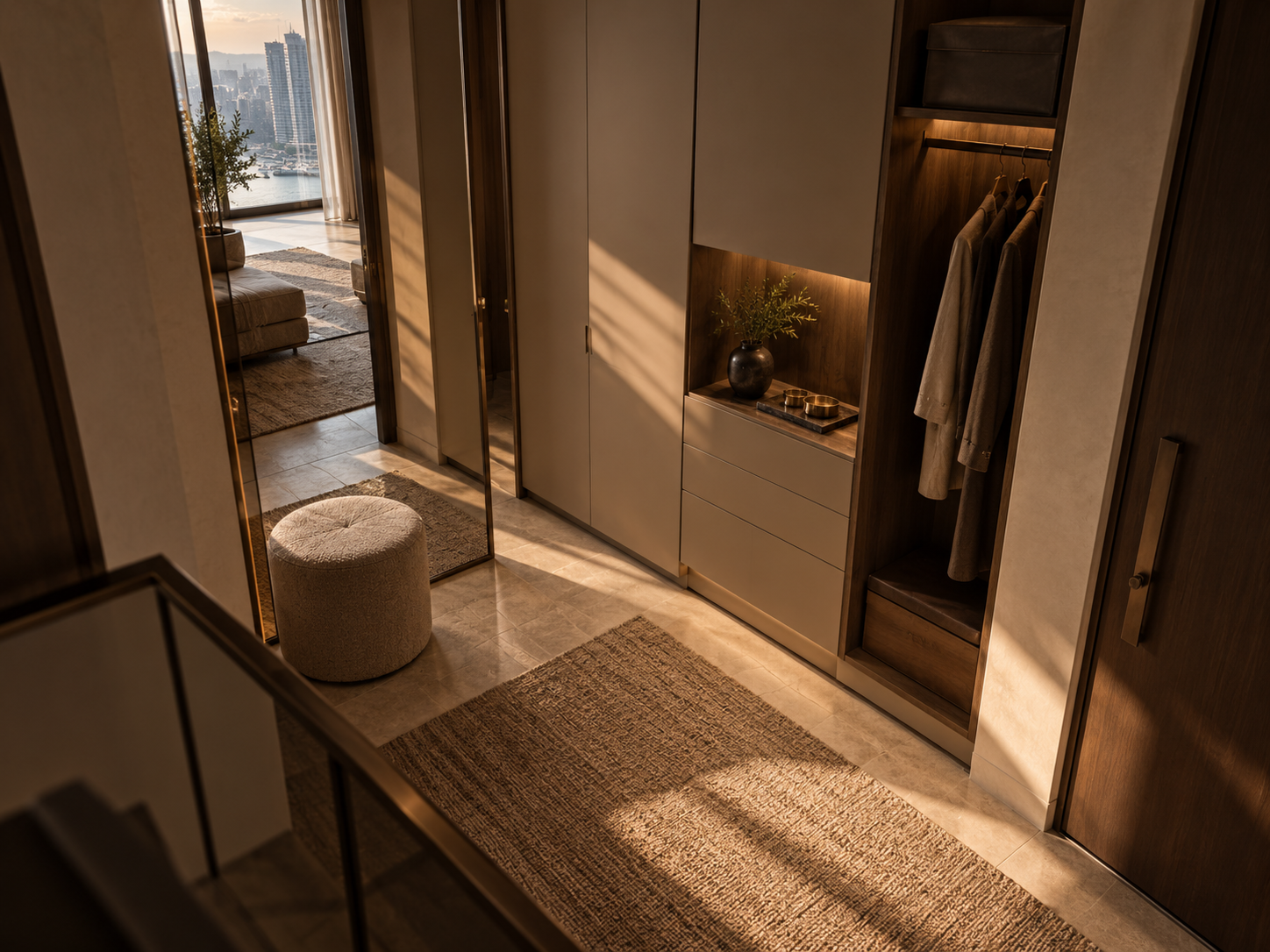
A small room governed with intention outperforms a large room filled without it. Multi-purpose furniture and considered storage aren't compromises — they're how a room stays legible under real use. A mirror, placed with intent, extends a room's presence without adding a single object to it.
Use vertical space the same way you use every other decision in the room: with a reason, not by default.
Personalizing Your Environment
A private space earns its name by holding what's actually yours — not generic decor, but the objects, materials, and light that make the room legibly someone's. This is where restraint gives way to a single deliberate exception: the one object that couldn't belong to anyone else's room.
Revisit the room as your life changes. A space that stops reflecting its owner stops governing anything.
Conclusion
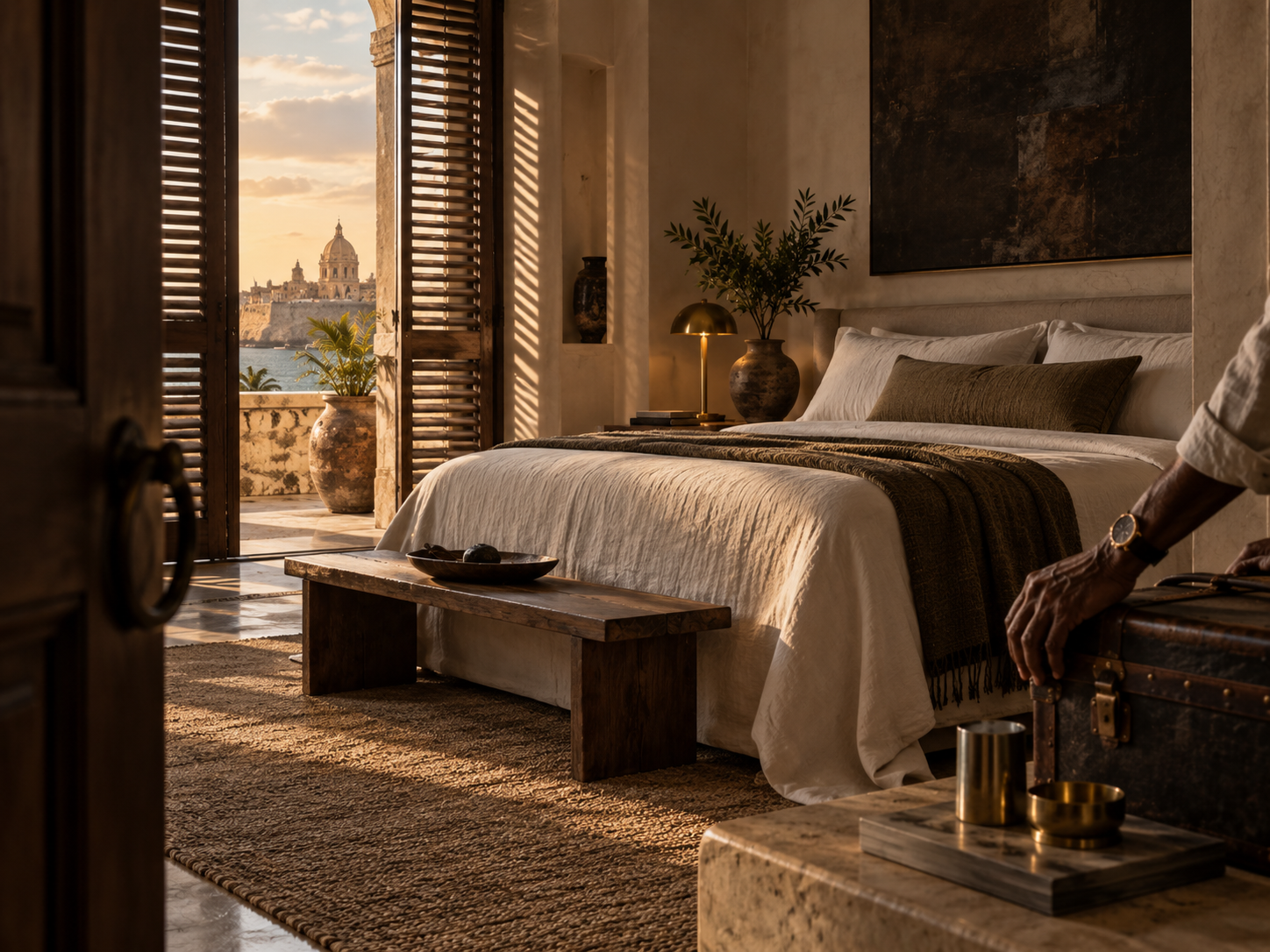
Elevating a private space is not a decorating project — it's a discipline. Style, function, and intention, applied with restraint, produce a room that governs how it is lived in rather than one that simply looks considered. Take the time the room deserves. What you're building is not a look. It's a standard.
In the language of The Accord, that discipline is part of Atmospheric Jurisdiction: the continuing authority exercised over what enters, remains, and influences the private environment.
Enter the Inner Circle.
A private connection to HVN Global for those who believe atmosphere, environment, and intentional objects shape how a life is experienced.
Request Access